TOYOTA E4044690 Rh Passnger Mirror
fits model: E4, Prius. make: Toyota. year: 2016–2020.
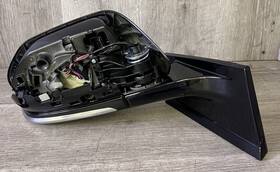
( Manufacturer Part Number: E4044690 ), ( Part Type: Mirror ), ( Placement On Vehicle: Front, Right )
Review TOYOTA Rh Passnger Side Mirror Oem 044690 fits PRIUS E4 2016–2020
The **Toyota E4044690 (2016 2020 Prius RH Passenger Mirror Assembly)** is a precision-engineered, high-quality automotive component designed to enhance both the functionality and aesthetic appeal of the Toyota Prius. This mirror assembly is specifically tailored for the right-hand side passenger door of the 2016 through 2020 model years, ensuring a seamless fit and optimal performance. Crafted from durable materials, it features a sturdy metal housing that provides structural integrity while maintaining a sleek, integrated look that complements the vehicle s modern design. The mirror itself is equipped with a clear, distortion-free polycarbonate lens, offering an unobstructed view for improved safety and convenience during parking and driving maneuvers. This assembly also includes a reliable electric motor and wiring harness, enabling smooth operation of the power-folding and power-adjusting functions, which are standard on Prius models within this range. The design incorporates Toyota s signature attention to detail, with precise alignment points and secure mounting brackets to prevent rattling or misalignment over time. Additionally, the mirror is engineered to withstand environmental factors such as temperature fluctuations, moisture, and UV exposure, ensuring long-lasting durability. Whether used for original equipment replacement or as a high-quality upgrade, this passenger mirror assembly delivers both form and function, maintaining the Prius s reputation for reliability and sophistication.
### Pros and Cons of Buying a 2016-2020 Toyota Prius (E4044690 Passenger Mirror)
#### **Pros**
1. **Reliability and Durability** Toyota is renowned for building long-lasting vehicles, and the Prius is no exception. The hybrid system, in particular, is well-engineered and less prone to major failures compared to some competitors. Many Prius models from this era have exceeded 200,000 miles with minimal issues.
2. **Fuel Efficiency** The Prius is one of the most fuel-efficient vehicles on the market, averaging **50-55 MPG combined** (city/highway) in this generation. This makes it ideal for commuters or those looking to save on gas costs over time.
3. **Low Operating Costs** Beyond fuel, maintenance expenses are typically lower than for gas-only vehicles. Hybrid systems have fewer moving parts than traditional engines, reducing wear and tear.
4. **Hybrid Technology Benefits** The regenerative braking system helps extend brake pad life, and the electric motor provides smooth, efficient acceleration. The hybrid battery is designed to last the lifetime of the vehicle (though degradation over time is possible).
5. **Resale Value** Toyotas, especially hybrids, hold their value well. A 2016-2020 Prius will likely retain a strong resale price compared to similar-aged non-hybrid models.
6. **Safety Features** The Prius comes standard with Toyota Safety Sense (TSS) in newer models (2017 ), which includes features like:- Pre-Collision System with Pedestrian Detection
- Lane Departure Alert
- Automatic High Beams
- Adaptive Cruise Control (on higher trims)
7. **Comfortable Ride** The Prius is known for its smooth, quiet cabin, making it a pleasant choice for daily driving.
8. **Environmentally Friendly** For those concerned about emissions, the Prius produces significantly fewer greenhouse gases than conventional vehicles.
9. **Affordable Maintenance** Parts are widely available, and labor costs at Toyota dealerships or independent shops are reasonable.
10. **Passenger Mirror (E4044690) Upgrade** If the mirror is already replaced with the E4044690 model (a common aftermarket or dealer-installed upgrade), it may offer better visibility and adjustability, enhancing safety and convenience.
---
#### **Cons**
1. **Hybrid Battery Concerns** While Toyota s hybrid batteries are durable, they can degrade over time, leading to reduced electric-only driving range or potential replacement costs. A battery replacement can cost **$1,500 $3,500**, though many last well beyond 150,000 miles.
2. **Limited Power for Some Drivers** The Prius is not a performance vehicle. The hybrid system provides adequate acceleration but lacks the punch of a high-performance gas engine. If you prioritize speed or towing capacity, this may not be the best choice.
3. **Interior Quality (Compared to Luxury Brands)** While functional, the Prius interior materials feel more utilitarian than premium. Plastic trim and basic upholstery may not appeal to buyers seeking a more luxurious feel.
4. **Rear Seat Space** The Prius has a narrow rear seat, which can be uncomfortable for passengers or limit cargo flexibility when seats are folded.
5. **Resale Depreciation (Early Models)** The 2016-2017 Prius may have depreciated slightly more than later models due to market shifts toward plug-in hybrids and electric vehicles. However, this is less of an issue for used buyers.
6. **Potential Electrical Gremlins** Some owners report minor electrical issues (e.g., infotainment glitches, sensor malfunctions) that can be frustrating but rarely critical.
7. **Hybrid-Specific Repairs** While rare, hybrid-specific repairs (e.g., battery cooling system issues, inverter failures) can be more complex and costly than conventional engine repairs.
8. **Limited Customization** Unlike gas-powered vehicles, the Prius has fewer aftermarket tuning options, which may disappoint enthusiasts.
9. **Weather-Related Visibility** The Prius sloping roofline can sometimes cause glare or rain to obscure the rear window, though this is subjective.
10. **Dealer vs. Private Sale Considerations** If buying from a dealer, expect higher prices and potential upsells. Private sales may offer better deals but come with higher risk (e.g., undocumented issues).
---
### **Conclusion**
The **2016-2020 Toyota Prius** is an excellent choice for buyers prioritizing **fuel efficiency, reliability, and low operating costs**. Its hybrid system ensures long-term savings, and Toyota s reputation for durability makes it a safe bet for daily driving. The **E4044690 passenger mirror upgrade** (if installed) improves functionality without major drawbacks.
However, if you need **power, space, or luxury**, the Prius may fall short. The **hybrid battery s longevity** is the biggest unknown always check its health (via a diagnostic scan or Toyota s battery health report) before purchasing. For most commuters, families, or eco-conscious drivers, the Prius remains a **smart, practical purchase**.
---
### **Recommendation**
- **Buy if:** You want a **fuel-efficient, low-maintenance, reliable hybrid** for daily use, prioritize long-term savings, and don t need high performance or luxury.
- **Avoid if:** You require **strong acceleration, spacious rear seats, or a premium interior**, or if you re uncomfortable with the possibility of a **battery replacement down the line**.
- **Best Approach:**- **Get a pre-purchase inspection** (especially focusing on the hybrid battery and electrical system).
- **Check maintenance records** look for regular hybrid system servicing.
- **Compare offers** dealers may charge more, but private sellers might offer better prices if the vehicle is well-documented.
- **Consider a certified pre-owned (CPO) Prius** if available, as it often comes with an extended warranty.
For most buyers, the **Prius is a no-brainer for efficiency and reliability**, making it a **highly recommended** used purchase in this range.
Details:
Expedited shipping is not available. Shipping is available within the USA only. Were here to help. And images are provided to the best of our ability.
part #: e4044690 prices
- $80.32-$178.20
specifications mirroexter:
- for models: E4, Prius
- for makes: Toyota
- for years: 2016-2020
- mpn: E4044690
- part type: Mirror
- placement on vehicle: Front, Right
shipping mirroexter:
- cost: $0.00
- carrier: UPS
- type: Calculated
- class: Standard
- transit: 2-6 Days
- service: UPS Ground
payments mirroexter:
- wallet: Paypal
- credit card: Discover
- other
offer mirroexter:
- best offers: True
- started: February 17, 2026
- quantity: 1
- options: Ship-to-home
- availability: In Stock
- sold: 0
seller mirroexter:
- # reviews: 3682
- rating: 99.7%
- city: Murfreesboro, Tennessee
general mirroexter:
- Exterior Parts Accessories > Side View Mirrors > Mirror Assemblies
- condition: Used
returns mirroexter:
- time: 30 Days
- paid by: Seller
- policy: Returns Accepted
Toyota E4044690 Is Similar To:
- 00033-00001 Nos Vintage Toyota Car Mirror Fits Nissan Mitsubishi Datsun (27.1% similar) No cracks, gouges, dents or pitting. Never installed. Great condition...(February 19th, 2019)
- 87902-60050-u Toyota Front Rh Door Mount Mirror Arm Assembly (37.2% similar) The mirror is a little loose but not cracked. This is the mirror arm that mounts to door hinge buyer pay shipping. Toyota land cruiser factory rh mirror arm assembly used. Fits FJ40 and FJ45 land cruisers...(July 31st, 2018)
- 87902-90301-a Aftermarket Toyota Land Cruiser Landcruiser Rh Mirror Arm And Head (33.6% similar) Toyota land cruiser rh front mirror arm and head. The mirror and arm are aftermarket buyer to pay shipping...(June 6th, 2018)
- 87905-60020-u Toyota Land Cruiser Landcruiser Factory Mirror Arms Used (34.5% similar) This is the mirror arm that mounts to door hinge. Fits FJ40 and FJ45 land cruisers. Toyota land cruiser factory mirror arms used...(July 19th, 2018)
- 87910-0t050-b0 Dealer Toyota Venza Power Heated Leather Memory Side Mirror Silver (33.3% similar) ...(January 31st, 2019)
- 87910-90351-u Toyota Land Cruiser Used Oem Side Mirror Rh (38.1% similar) Non-returnable item. Overall fair to good condition. Glass is in nice condition, adjusts well and again good driver mirror. 1970 S toyota land cruiser FJ55 used oem side mirror rh has some light pitting. Used original toyota parts, please see photos...(June 15th, 2018)
- 87940-0c281 Toyota Tundra-power-fold-tow-mirror 87910-0c281 2009-15-new-oem (27.8% similar) Lock: new-other GE-S4 b2 as is. Free fast shipping in Continental USA. New with defect: toyota tundra power fold tow mirror driver left side 0C281 oem toyota towing left heated. New with defect, upper corner chipped of on the plastic trim look at pictures sold as is...(February 5th, 2018)
- 87940-12220 Toyota Corolla Door Mirror Oem New Old Stock (36.8% similar) FJ40, FJ42, FJ43, FJ45, FJ46, FJ47, FJ55, FJ60, FJ62, FJ80, FZJ80. Before checking out...(May 31st, 2018)
- Lh-712359 Toyota Tacoma Oem Door Mirrors Drivers Mirror (32.3% similar) Adjusting pivots on both mirrors work like new. They are in great condition with no cracks to the body or mounting brackets. Your satisfaction is simply the most important priority for us. Let us make your experience a pleasant one: bid buy here with full confidence. The glass is undamaged on ...(November 28th, 2018)
- Rav4 Toyota L Door Mirror (34% similar) ...(September 21st, 2017)
- Rh-712360 Toyota Tacoma Oem Door Right Mirror Rh (34.2% similar) Condition is used. Toyota Tacoma oem door right mirror 1999 rh shipped with USPS priority mail medium flat rate box...(January 18th, 2019)